
A clearer approach to classification, documentation and regulatory readiness across international markets.
Compliance starts before the cargo moves
Customs delays are often caused long before a shipment reaches the border. Incorrect product descriptions, incomplete origin information, inconsistent invoice values or an unsuitable tariff classification can create questions that are difficult to resolve once the cargo is already in transit.
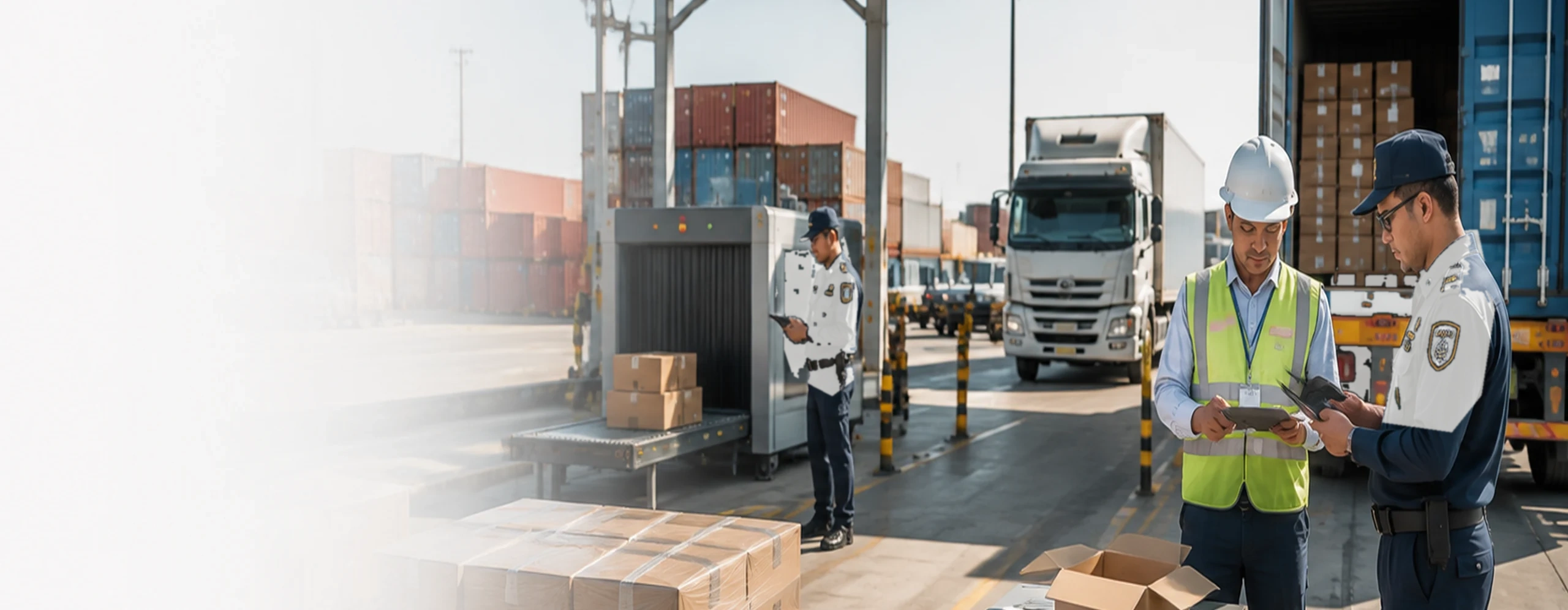
A pre-shipment review gives the shipper, forwarder and customs representative time to confirm the data set, validate supporting documents and identify licences or special requirements. This is especially important for controlled goods, chemicals, food products, technology equipment and shipments moving under preferential trade arrangements.
Create one reliable source of shipment data
The commercial invoice, packing list, transport document and customs declaration should describe the same transaction. Small inconsistencies can trigger a review, delay clearance or create valuation concerns.
Businesses can reduce risk by maintaining structured product records that include a clear description, material composition, intended use, country of origin and approved tariff classification. Reusing verified data is safer than rebuilding the information for every shipment.
“Good customs clearance is rarely about solving a problem at the border. It is about preventing the problem before departure.”
SafeTrans Freight Desk
Prepare for regulatory change
Customs rules continue to evolve as governments update security requirements, environmental controls, sanctions and digital filing systems. Companies shipping across multiple markets need a process for monitoring changes and translating them into operational actions.
A reliable freight partner should help identify the information needed for the route, coordinate with local experts and communicate issues early. Responsibility remains shared, so importers and exporters should retain supporting records and approve critical declarations.
Key Takeaways
- Validate product classifications and origin data.
- Keep all commercial and transport documents consistent.
- Review route-specific restrictions before booking cargo.