
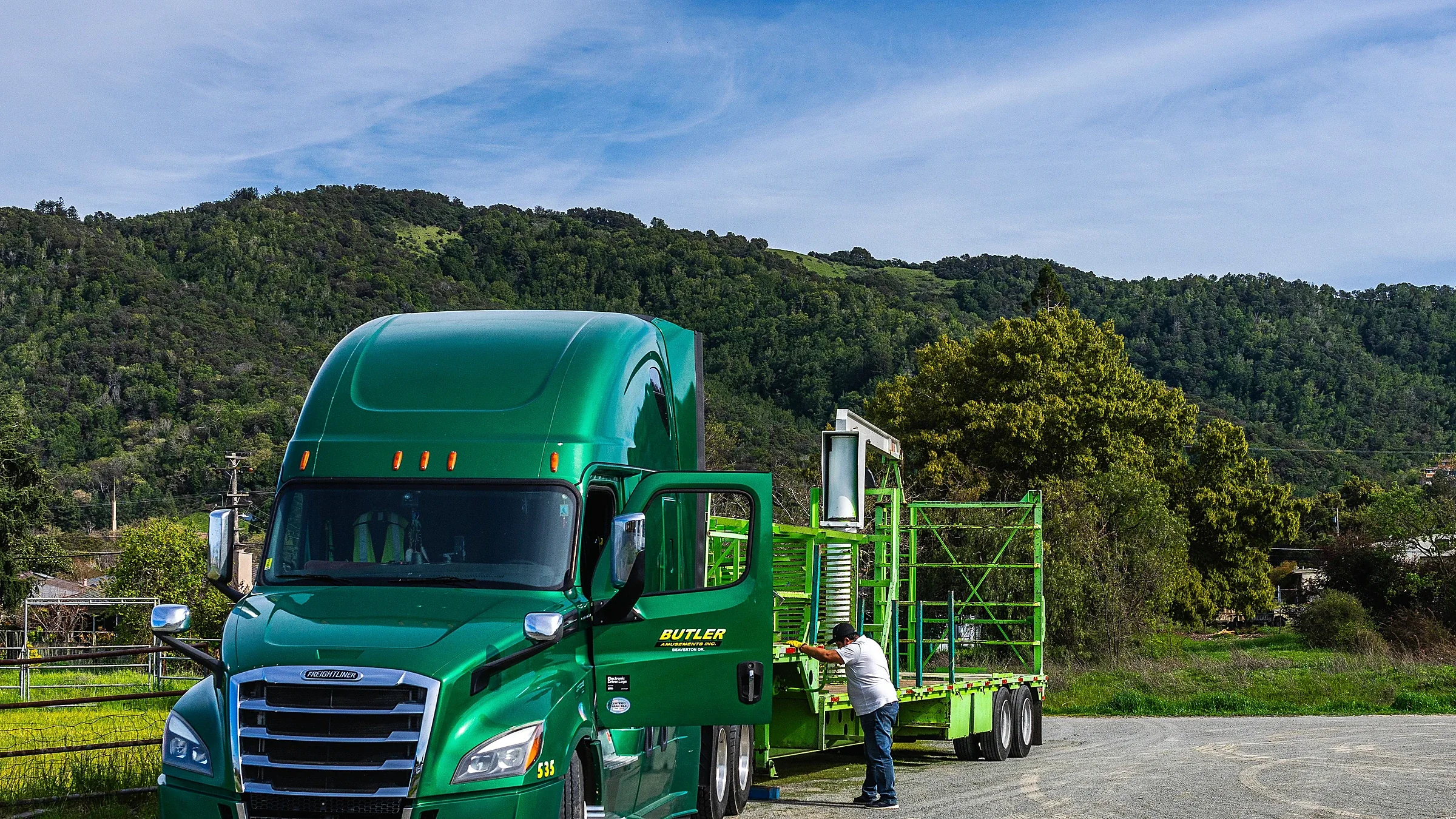
Practical steps for measuring emissions, improving load efficiency and selecting lower-impact freight options.
Measure the movement accurately
A meaningful emissions strategy starts with understanding how cargo moves: transport mode, distance, weight, equipment type, routing and load utilisation. Without a consistent baseline, it is difficult to compare options or track improvement over time.
Businesses should use a repeatable methodology and document the assumptions behind each calculation. The aim is not perfect data on day one. The aim is transparent data that becomes more reliable as carrier information and internal shipment records improve.

Reduce emissions through operational decisions
Mode selection has a major effect on freight emissions, but timing, routing and consolidation matter too. Moving suitable cargo from air to sea, combining smaller shipments, improving container utilisation and avoiding emergency transport can reduce both cost and environmental impact.
Warehousing strategy also plays a role. Positioning inventory closer to demand can shorten final-mile movement, while better forecasting can reduce urgent replenishment and inefficient partial loads.
“Lower-carbon freight is built shipment by shipment—through better planning, fuller loads and informed mode choices.”
SafeTrans Freight Desk
Treat offsets as the final layer
High-quality climate contributions may support a broader sustainability programme, but they should not replace direct operational improvements. Shippers should first avoid unnecessary movement, improve efficiency and select lower-impact options where commercially practical.
The most credible approach combines measurable reductions, supplier engagement and transparent reporting. Freight partners can support this by presenting route alternatives and helping customers understand the trade-offs between speed, cost and emissions.
Key Takeaways
- Establish a consistent emissions baseline.
- Use consolidation and mode optimisation before offsets.
- Share targets with carriers and logistics partners.