
How to protect time-critical cargo with better booking, packaging, documentation and contingency planning.
Define what “urgent” really means
Not every fast shipment requires the same service. A spare part needed to restart production, a clinical sample and a seasonal retail launch all have different risk profiles. Start by defining the latest acceptable delivery time, handling requirements and commercial impact of delay.
That information helps the forwarder compare direct and connecting services, airport options and priority products. It also prevents paying for speed that does not improve the final delivery outcome.
Protect the booking with accurate cargo data
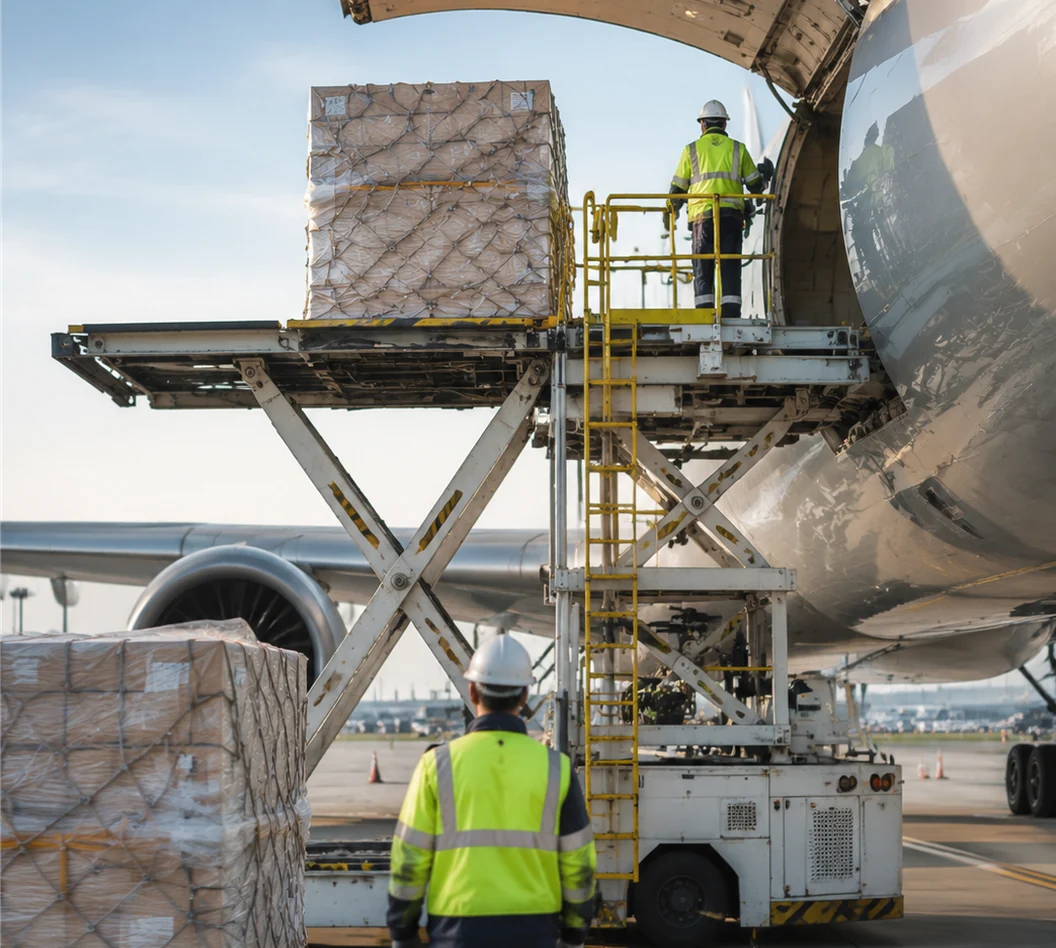
Airline capacity is planned around chargeable weight, dimensions, commodity and handling requirements. Incorrect measurements or incomplete dangerous-goods information can lead to re-rating, offloading or a rejected booking.
Provide final dimensions, weights and documentation as early as possible. For high-value, temperature-controlled or oversized cargo, confirm acceptance conditions and handling arrangements before the shipment reaches the terminal.
“Reliable air freight is not simply the fastest flight. It is the route with the fewest unmanaged handovers.”
SafeTrans Freight Desk
Plan beyond the flight
The airport-to-airport movement is only one part of the journey. Origin collection, security screening, export clearance, destination customs and final delivery can all affect the schedule.
A strong plan includes realistic cut-off times, destination contacts and an escalation route if the original flight changes. Alternative airports or services should be considered before disruption occurs, not after the cargo misses its connection.
Key Takeaways
- Confirm the true delivery deadline and risk.
- Submit accurate dimensions and commodity details.
- Build destination clearance and delivery into the plan.